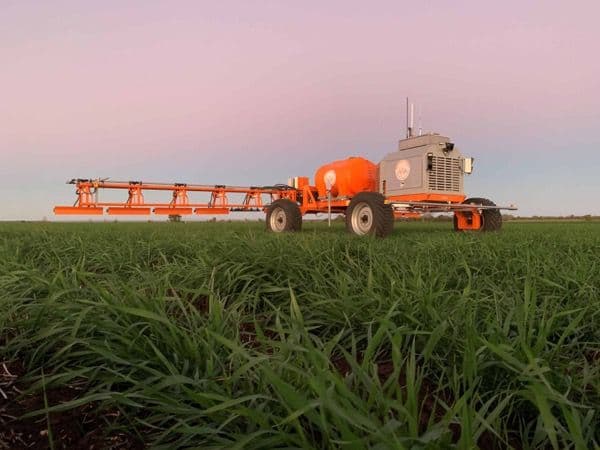
Autonomous swarm robots for broadacre cropping, enabling precision spot-spraying and weed management that cuts chemical use by up to 80%.
Visit website →SwarmFarm
AgTech Robotics

Every VC fund is designed around an outcome. Traditional VC is designed to generate exceptional returns from a small number of outlier exits within a fixed fund life. We want those returns too. We make no apology for it.
But energy, agrifood, defence and health do not develop on software timelines. Physics, biology, manufacturing, regulation and procurement set the pace, and capital cannot hurry them.
So we build funds around the realities of the problem, rather than forcing the problem into the constraints of the fund.
Our Backers are governments, industries and corporations seeking financial and strategic outcomes. They need capability built and deployed, so they become customers, partners and acquirers, not just shareholders. That is how we pursue both: venture-scale returns and solutions the world can use.
Build what the world needs, and partner with governments that want sovereign capability, industries that have to transform and corporations building the future.
Show us what you're building→We invest globally in technologies that reshape critical industries and strengthen competitiveness. Our sectors share one thread: sovereign capability, industrial resilience and distributed R&D challenges governments and industries cannot solve alone.
Breakthroughs emerge where these sectors intersect. We back hardware, deep tech, biology and complexity. The companies defining the next era operate in atoms as well as bits, on development cycles that demand capital structured for endurance.
 Agrifood
Technologies reshaping how we grow, process and distribute food, and manage natural capital.
 Energy
Clean energy generation, storage, grid infrastructure and carbon reduction at scale.
 Health
Diagnostics, therapeutics, digital health and care delivery systems that improve outcomes.
 Defence
Sovereign technologies strengthening national resilience, intelligence and defence.
 AI
AIMachine intelligence, robotics and the enabling infrastructure behind them.
 Frontier
Opportunities that defy neat categorisation but demonstrate transformational potential.
You are not building something slightly better. You are creating something the market has no name for yet. At first it looks unfamiliar, even unnecessary. The best ideas always do. Once it works, the only question is why nobody did it sooner.
An analysis of 200 startups put timing ahead of team, idea, business model and funding. Most category-defining companies were possible for years before they became viable. Then a cost curve, a regulation or a crisis made them inevitable. We ask why now. And because early and wrong look identical for a while, we structure capital to survive the difference.
The breakthrough is not cosmetic. It changes what people and organisations can do: better capability, better economics, lower barriers. A problem that could not be solved has a solution. In critical industries that is necessary, never sufficient. Adoption is earned, not triggered.
We look for deep insight, bold ambition and the judgement to adapt without losing conviction. Most often that is a scientist who owns the breakthrough, paired with an operator who knows the industry and who buys. We seek out female-led and diverse teams: different vantage points reveal different paths to scale.
Ambition and technology are the beginning. The test is whether someone pays. In our industries it is also whether the product survives regulation, procurement and the production line. Each milestone retires a risk. Each customer proves the last one wasn't luck. Evidence compounds, and evidence is what attracts capital and talent.
Venture returns follow a power law: a handful of companies return more than everything else combined. Those companies are not picked, they are built, with execution compounding until the advantage is structural and the market organises around them. We bring patient capital and institutional networks to accelerate that compounding. The companies that emerge do not just compete. They reshape industries.
Most venture capital is raised from financial investors, whose question is the return and how quickly it arrives. A large share of ours is raised from institutions with a direct stake in the sectors we back: governments, corporates, industry bodies, universities and super funds. Capital alone does not build companies. Access does. That network, and the collaborative industry funds we build around it, brings deep domain expertise, real demand for your solution and real pathways to deploy it. Capital plus four things it unlocks.
Our capital connects you to institutions already operating in your sector, with real demand, real budgets, and pathways to buy. You're not starting from cold outreach. You're working toward pilots, procurement and deployment from day one.
Work with investors who understand how your market actually works, and can engage as partners, not just shareholders. Our Backers bring domain expertise, commercial context, and the ability to engage where it matters.
Built for technologies that take time, hardware, deep tech and biology, not just software. Our capital aligns with development, validation and regulatory cycles, staying focused on execution through to real-world adoption.
An investment from Artesian signals that credible institutions are aligned with what you're building. We manage the interface, so you get the benefit of institutional engagement without the friction of navigating it alone.
A selection from more than 600 companies Artesian has backed, grouped by sector.
Autonomous swarm robots for broadacre cropping, enabling precision spot-spraying and weed management that cuts chemical use by up to 80%.
Visit website →AgTech Robotics

AI-powered airborne spore detection that identifies crop diseases before symptoms appear, giving growers daily alerts that reduce preventative fungicide spraying and protect yield.
Visit website →Crop Science
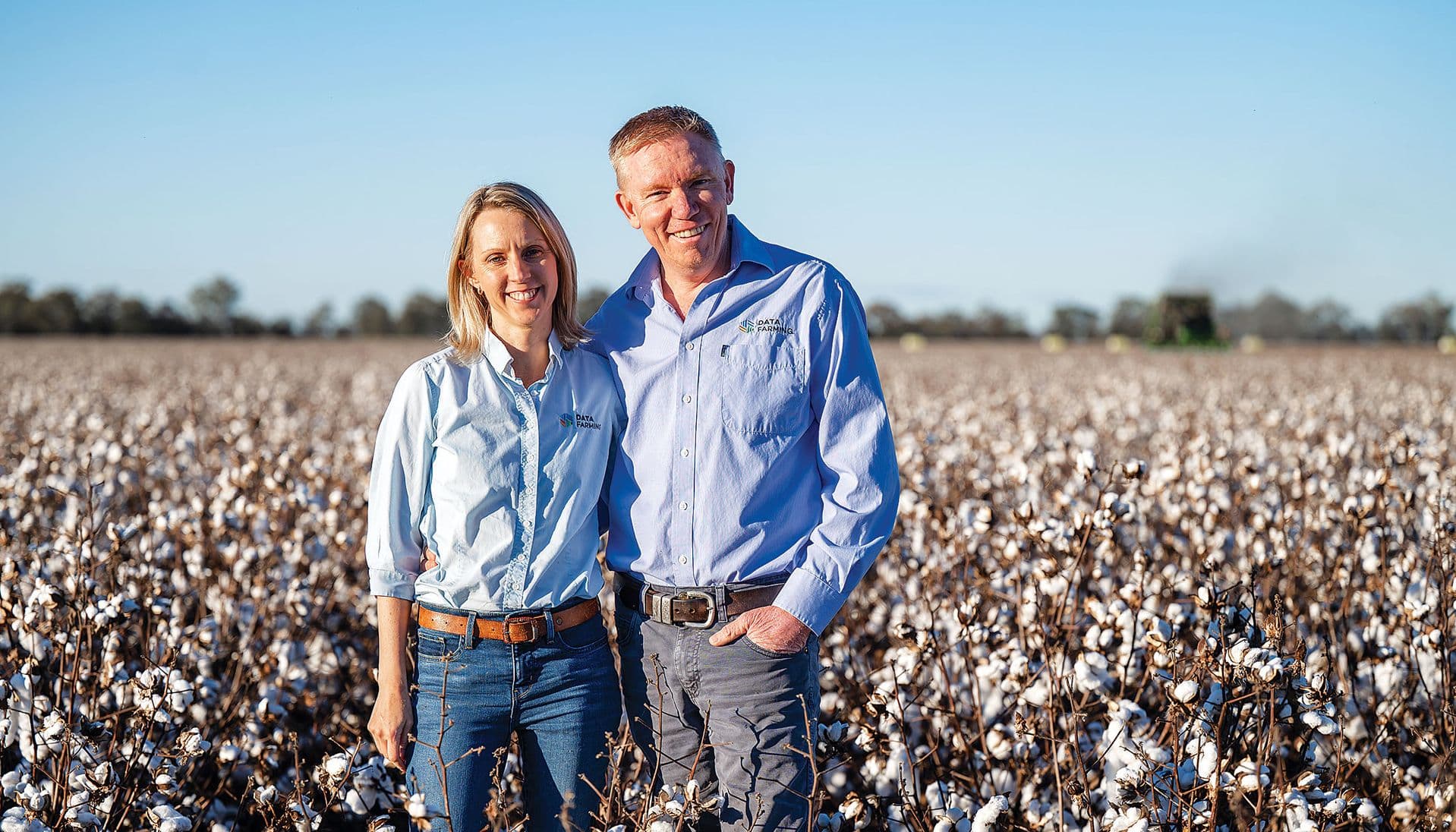
Manage crops & pastures with our easy-to-use platform. Join 50,000+ farms optimizing agricultural practices today!
Visit website →Precision Agriculture

Boost your farm's revenue and soil health with Loam Bio's groundbreaking CarbonBuilder technology, converting CO2 into stable soil carbon.
Visit website →Soil Carbon

Plant-based dog food formulated for canine health with a materially lower environmental footprint than meat-based diets.
Visit website →Alternative Protein
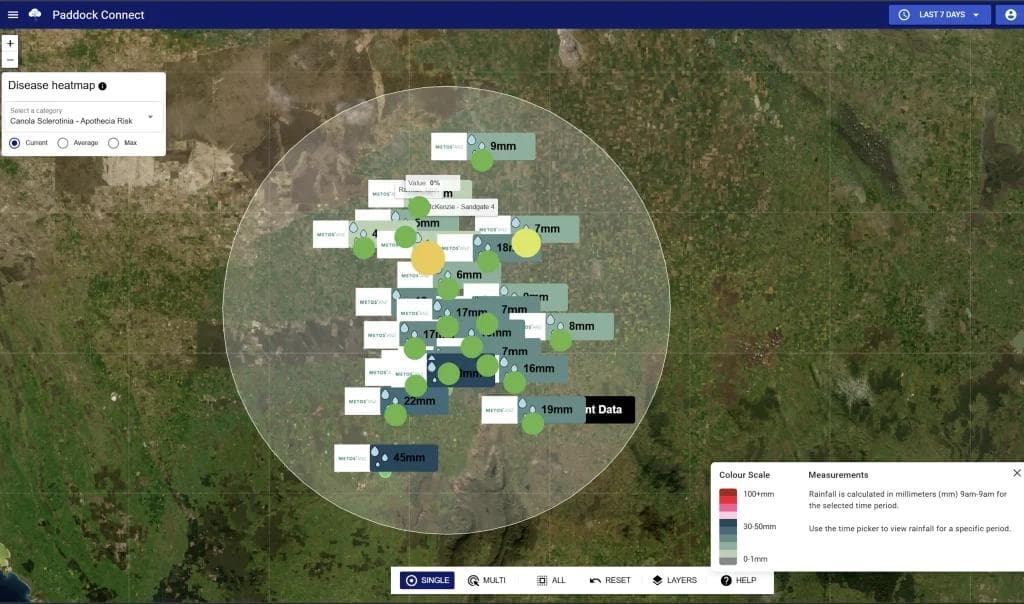
Australian market leader in agtech data centralisation and integration. Pairtree helps you view, analyse, present and share all your ag data better.
Visit website →Farm Data Integration

Zero-emissions production of ammonia and nitric acid using modular plasma reactors powered by air, water and renewable electricity, spun out of the University of Sydney.
Visit website →Sustainable Fertiliser
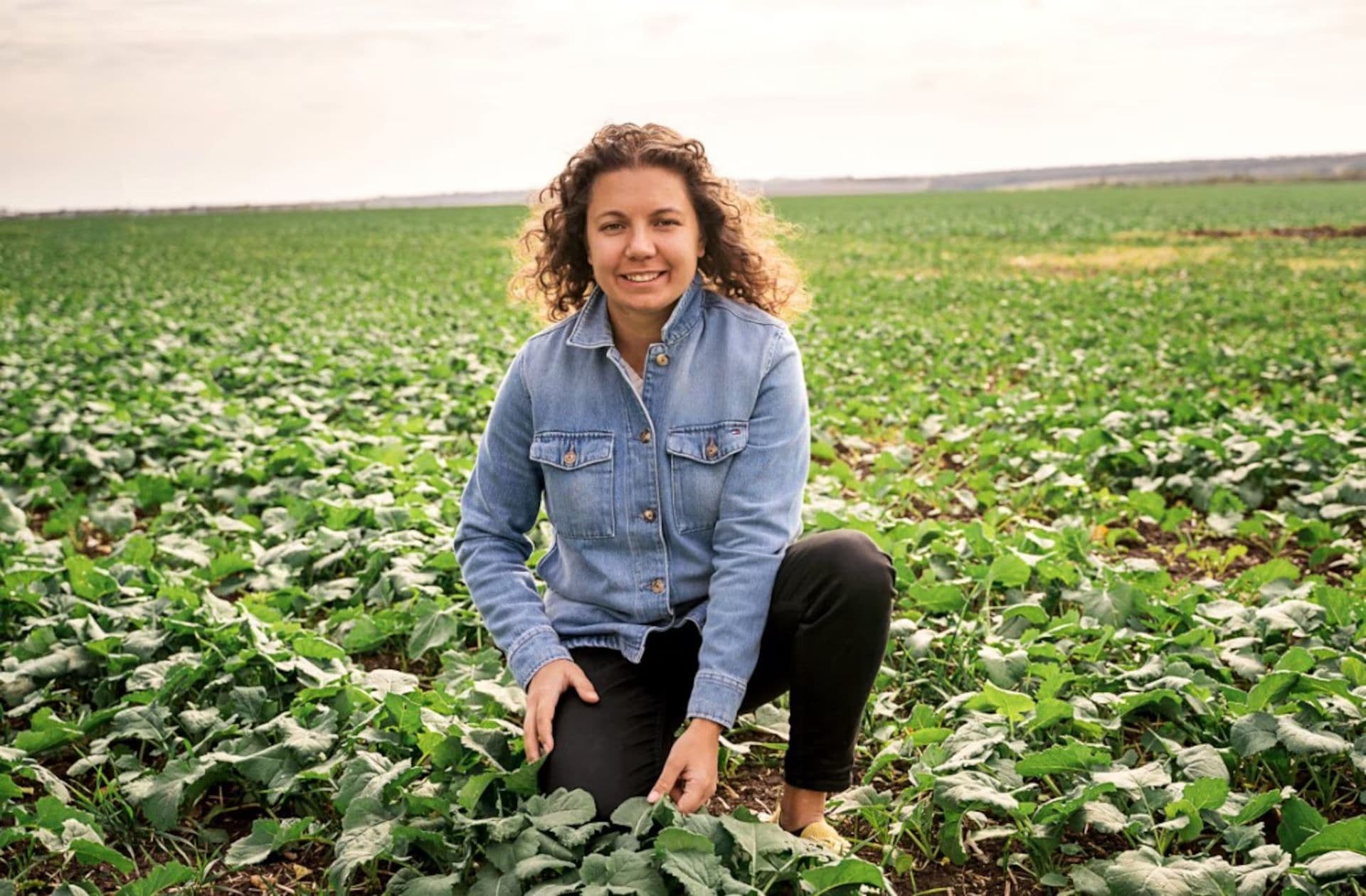
Measure, report, and reduce on-farm emissions with Regrow's Agriculture Resilience Platform. See how to cut scope 3 emissions and hit your net zero goals.
Visit website →Agricultural MRV
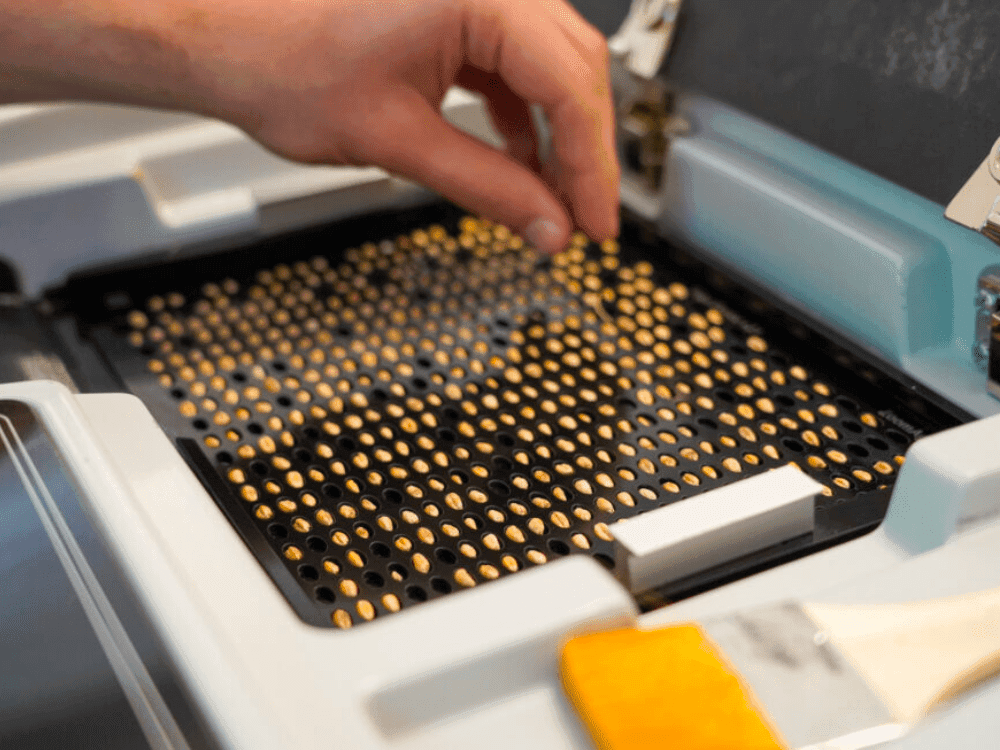
Computer vision and AI for testing, inspection and certification of agricultural commodities, identifying varietal purity and physical quality in barley, wheat, soy and corn.
Visit website →Grain Quality Analysis

Foundation AI models for plant biology. Its BOTANIC family, trained on more than 1,600 plant genomes, predicts gene function, regulatory elements and trait associations to speed up crop trait discovery.
Visit website →Plant Genomics

Virtual field trials for agriculture. Its environmental engine, built from biological first principles, simulates how agricultural products perform across thousands of environments before they reach the field.
Visit website →Virtual Field Trials

Nature-identical oils made by precision fermentation, guiding microbes such as yeast through a process akin to brewing to cut reliance on palm oil and other unsustainable plant and animal oils.
Visit website →Precision Fermentation

Oxford University spin-out using AI, machine learning and proprietary data to discover herbicides with new modes of action, giving farmers effective tools against weeds that have become resistant.
Visit website →Herbicide Discovery

Voice-powered farm management software that turns what is said in the field into structured records, in more than 180 languages and fully offline, for growers, ag retailers and equipment makers.
Visit website →Farm Management Software

Reads soil phosphorus, potassium and pH in the field as it drives, mapping nutrients at a resolution grid sampling averages away and feeding the variable-rate prescriptions growers already run.
Visit website →Soil Nutrient Sensing
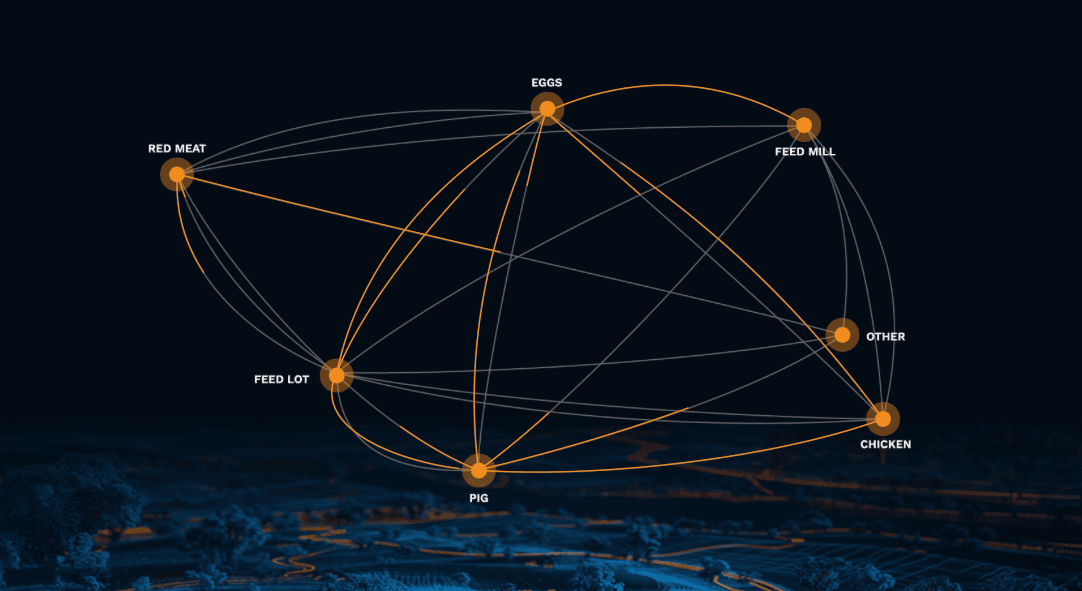
Biosecurity risk assessment for intensive agriculture. ExoFlare scores and manages the disease risk carried by every entry to a site, across pig, poultry, egg and feedlot operations.
Visit website →Livestock Biosecurity

Wearable biosensor patch using DNA-based aptamer technology to continuously monitor biomarkers, enabling real-time non-invasive diagnostics.
Visit website →Diagnostics

Non-invasive cardiac monitoring that delivers hospital-grade haemodynamic data from a wearable, enabling real-time clinical decision support.
Visit website →Cardiac Monitoring

Precision neuromodulation devices delivering non-invasive brain stimulation therapy for treatment-resistant depression, chronic pain, and cognitive disorders.
Visit website →Neurotechnology

AI-powered simulation training for healthcare professionals, building communication and clinical decision-making skills through realistic patient scenarios that adapt in real time.
Visit website →Clinical Training

Clinical-stage microbiome therapeutics restoring gut microbial ecology. Supplies its donor-derived product to more than 40 Australian hospitals and is developing defined therapies from over 25,000 bacterial isolates.
Visit website →Microbiome Therapeutics

Digital ski coach combining proprietary hardware and software to automate ski instruction and improve technique in real time.
Visit website →Sports Wearables

Evidence-based nutrition coaching that sets individual calorie and macronutrient targets for fat loss, maintenance or gain.
Visit website →Nutrition Science

Magnetic tracers that map the path of cancer metastasis using MRI and intra-operative imaging, improving outcomes for early-stage solid tumour patients.
Visit website →Cancer Diagnostics
Developer of the FLUX-1 bioprinter, combining conventional bioprinting with electro-hydrodynamic printing to build engineered human tissue.
Visit website →Bioprinting

Genomics company researching genetic markers in human embryogenesis, applying whole-genome sequencing and bioinformatics to prenatal diagnostics and reproductive health.
Visit website →Genomics
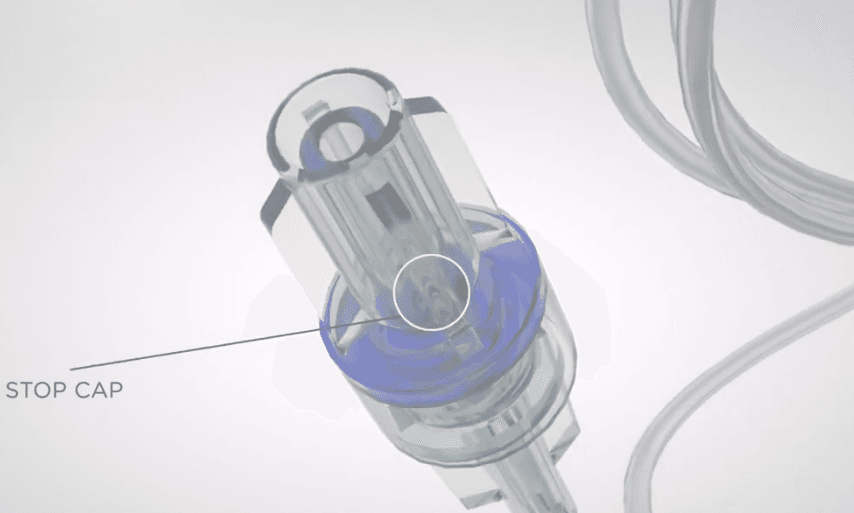
Intelligent infusion products and systems for delivering infusion therapy outside hospital, built around the clinical and operational needs of out-of-hospital providers.
Visit website →Infusion Devices

Care management software for disability and aged care providers, streamlining workforce management, automating claiming and maintaining compliance.
Visit website →Care Management Software
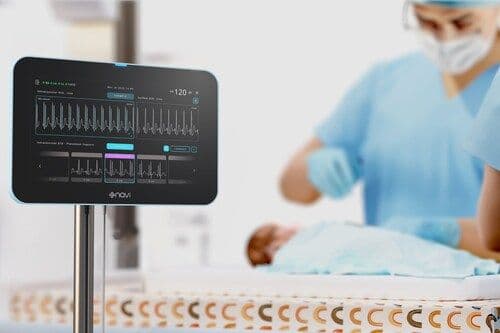
neoNAV uses ECG technology to confirm central line position in real time, cutting procedure times, x-ray confirmation and patient complications.
Visit website →Medical Devices
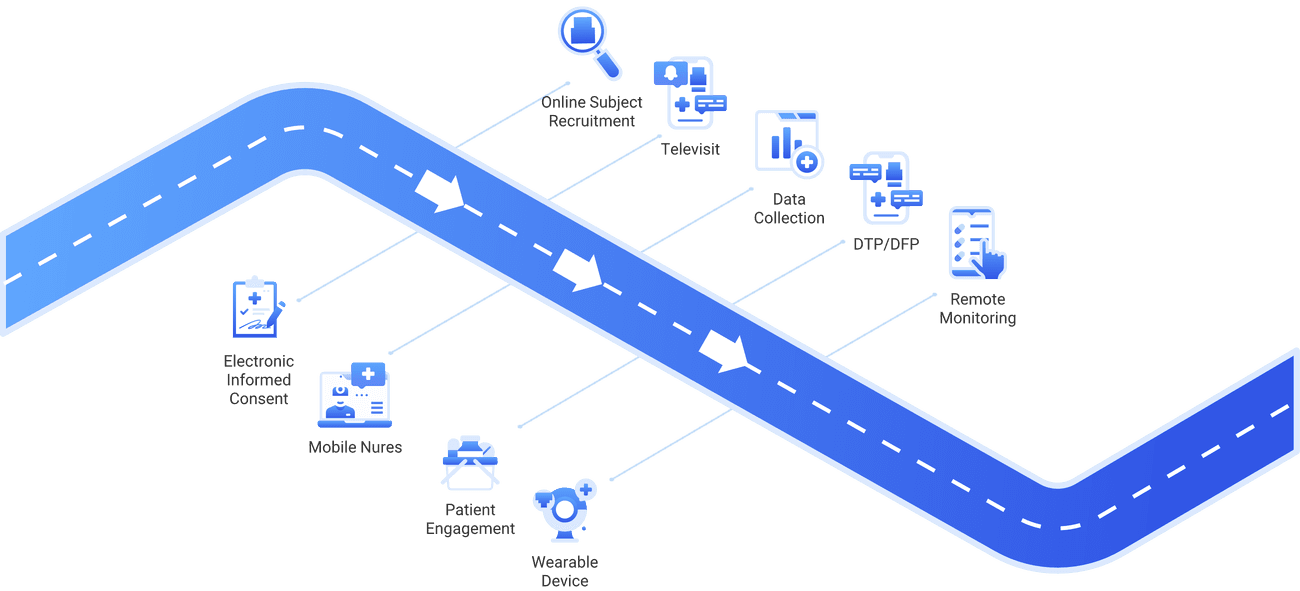
Digital services for post-marketing clinical research, providing telemedicine and data capture for the contract research organisation market.
Visit website →Clinical Research
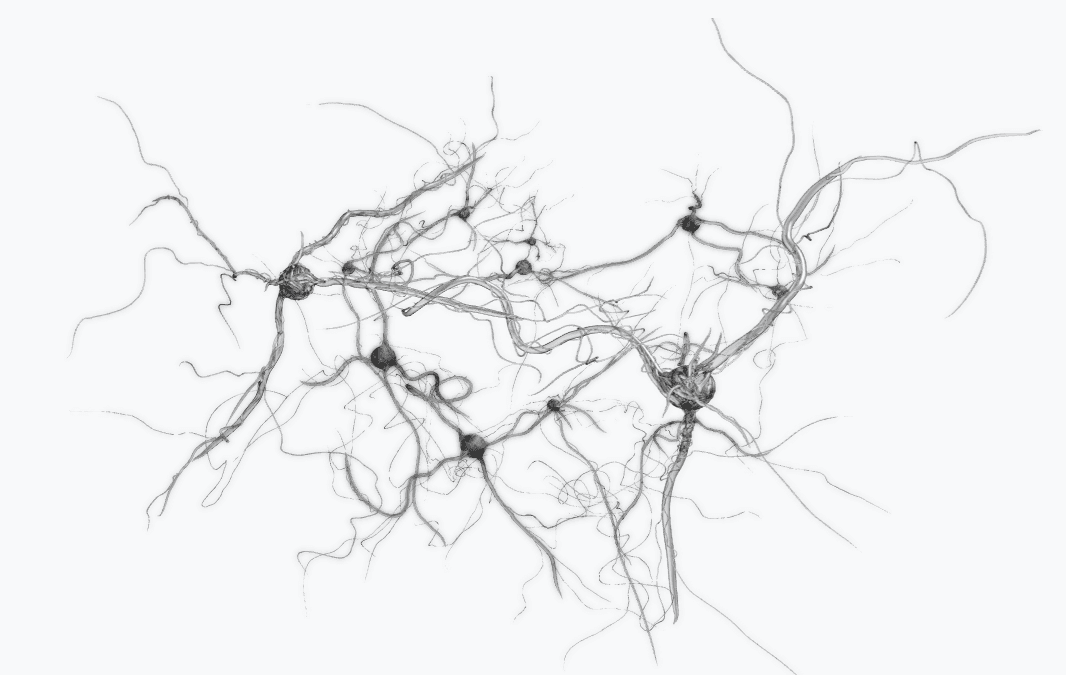
Markerless surgical navigation overlaying CT and MRI onto the patient in real time to sub-millimetre accuracy, tracking instruments through a procedure. FDA cleared and commercially available in the US.
Visit website →Surgical Navigation
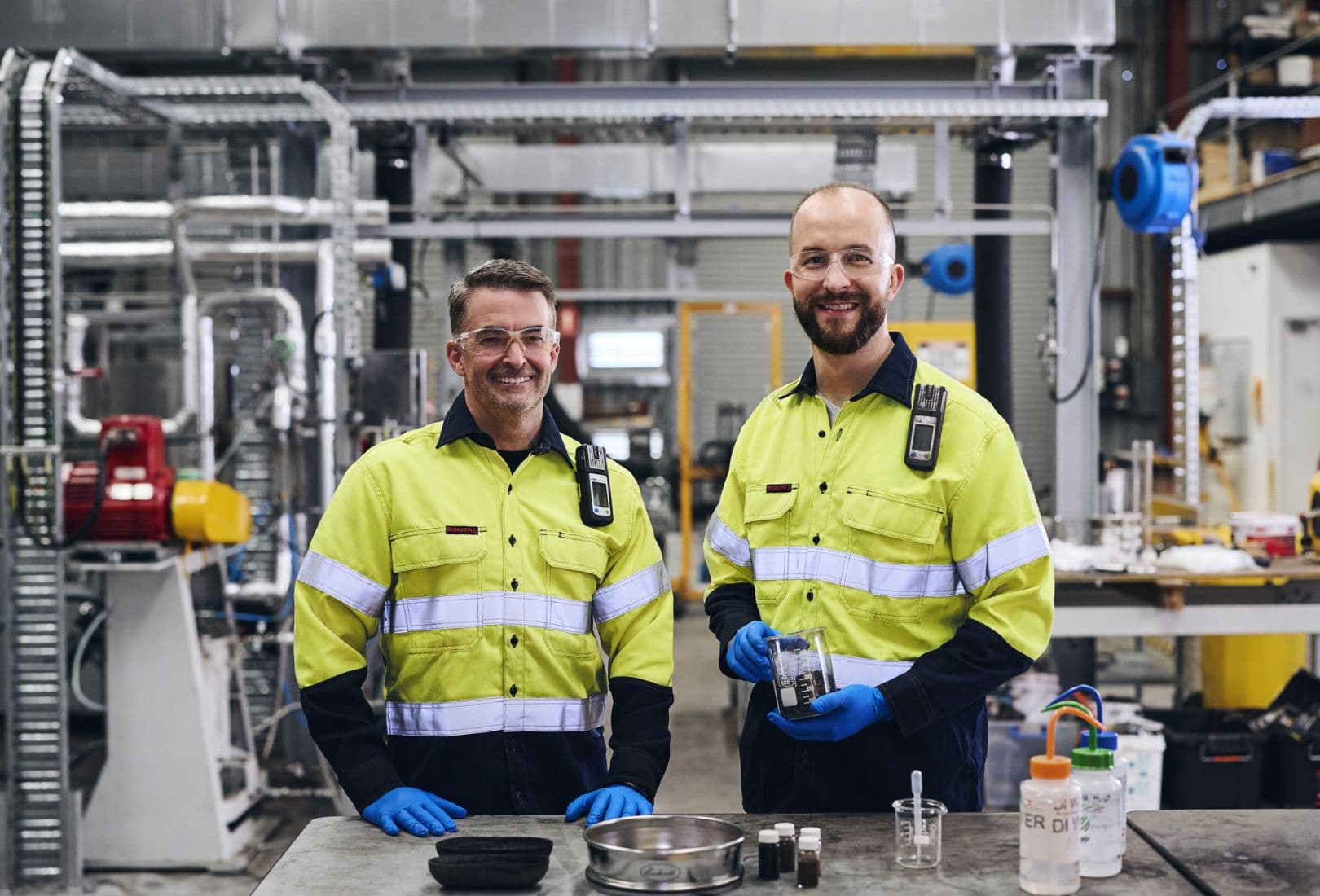
Silicon-dominant anode technology for higher energy density lithium-ion batteries, enabling longer range and faster charging for EVs and energy storage.
Visit website →Battery Technology

Prefabricated solar arrays that deploy ten times faster than conventional installations, cutting onsite labour by 80% for mining and utility-scale projects.
Visit website →Solar

Sustainable biomaterials grown from bacterial nanocellulose, replacing animal leather and plastic synthetics in fashion with lab-grown alternatives that perform better and cost less at scale.
Visit website →Biomaterials
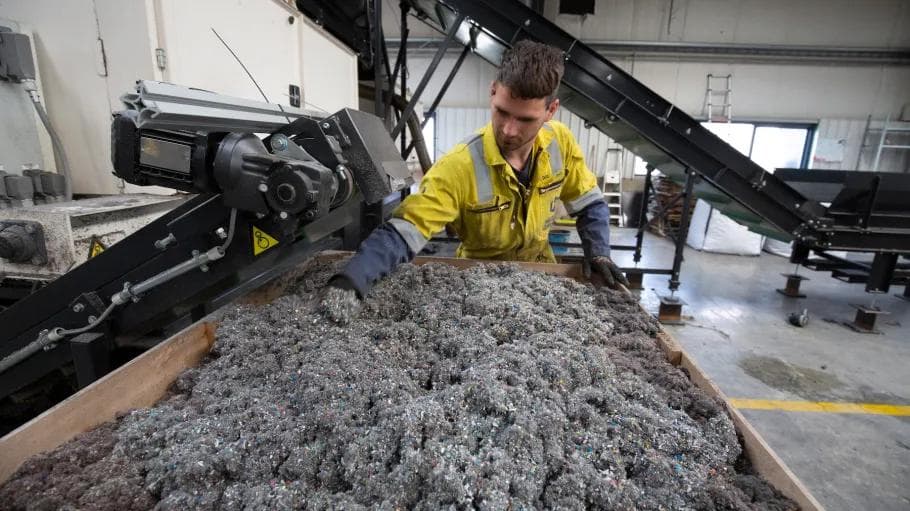
Chemical recycling technology that separates blended polyester and cotton textiles at commercial scale, diverting thousands of tonnes from landfill and closing the loop on fashion waste.
Visit website →Circular Economy

Lab-grown cotton produced through cell culture rather than farmland, cutting the land, water and time conventional cotton requires.
Visit website →Biomaterials

Wildfire Energy is an innovative Australian company developing a revolutionary gasification technology for biomass and waste to energy applications.
Visit website →Waste to Energy

AI-powered open-source intelligence platform used by defence and national security agencies to identify threats across digital channels at scale.
Visit website →OSINT

Satellite-powered mineral exploration using ambient noise tomography and LEO nanosatellites to map subsurface deposits faster and with less environmental impact.
Visit website →Mining Exploration

Objective concussion assessment for athletes and their clinicians, coaches and families, using neurophysiological measurement at the sideline.
Visit website →Concussion Assessment

Autonomous underwater robot that uses computer vision to clean boat hulls daily, removing the reliance on toxic antifouling paint.
Visit website →Marine Robotics
Direct-to-satellite connectivity for the Internet of Things, delivering low-cost, long-battery-life data from remote assets anywhere on earth.
Visit website →Satellite IoT

Humanoid robot companion for aged care that adapts to each resident's personality, culture, and language, lifting wellbeing and supporting care teams.
Visit website →Robotics

AI platform that automates BIM modelling and documentation for AEC, turning hours of manual Revit drafting into minutes.
Visit website →Construction AI
An AI-native data platform: a cloud-native HTAP database with vector search and "Git for Data" versioning, plus RAG and agent-infrastructure tooling.
Visit website →Agent Infrastructure

Pre-trained AI agents for commercial real estate, delivering instant valuations, due diligence, and portfolio analysis with institutional-grade accuracy.
Visit website →PropTech AI

No-code software platform digitising site processes and compliance for construction, infrastructure, energy, and mining, turning field paperwork into real-time data and automated workflows.
Visit website →Construction Software
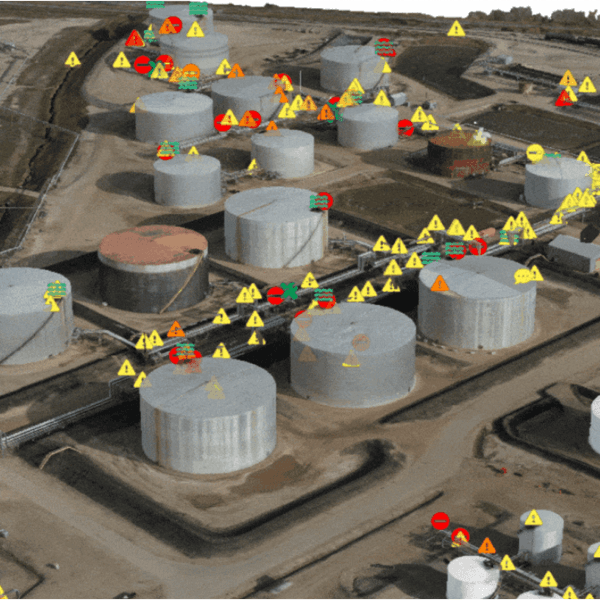
3D digital twin platform for asset inspection and monitoring, enabling teams to collaboratively assess condition, track defects, and report on built infrastructure over time.
Visit website →Asset Inspection
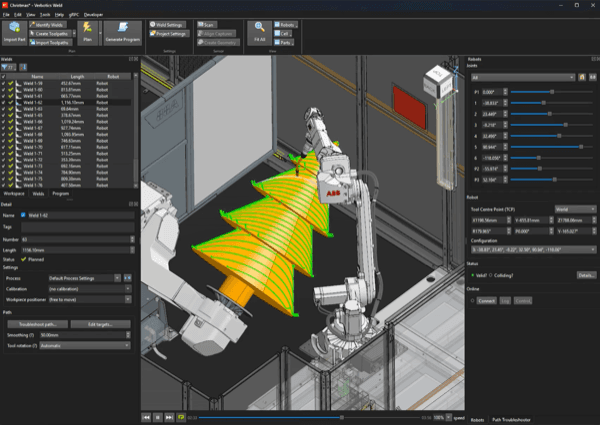
Software that auto-generates robotic welding programs directly from CAD files, eliminating manual programming and cutting setup time from days to minutes in manufacturing.
Visit website →Industrial Automation
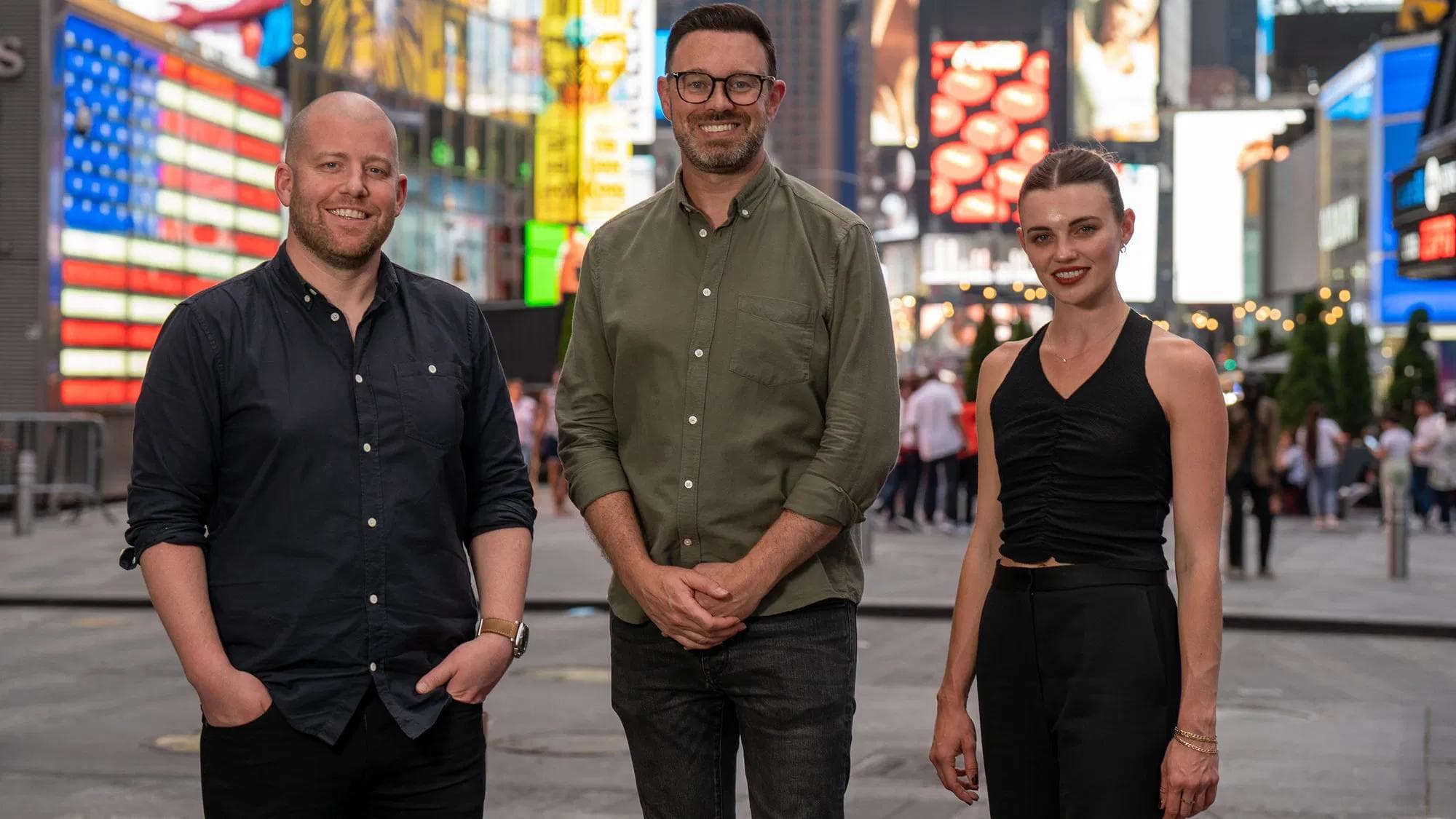
Predictive sports betting technology using 70+ proprietary models that simulate over 260 million events annually, powering consumer platforms and B2B solutions for sportsbooks and media partners.
Visit website →Sports Analytics

Gamification and analytics platform that lifts workforce engagement by mapping game mechanics to behavioural drivers, with reporting for management.
Visit website →Workforce Analytics
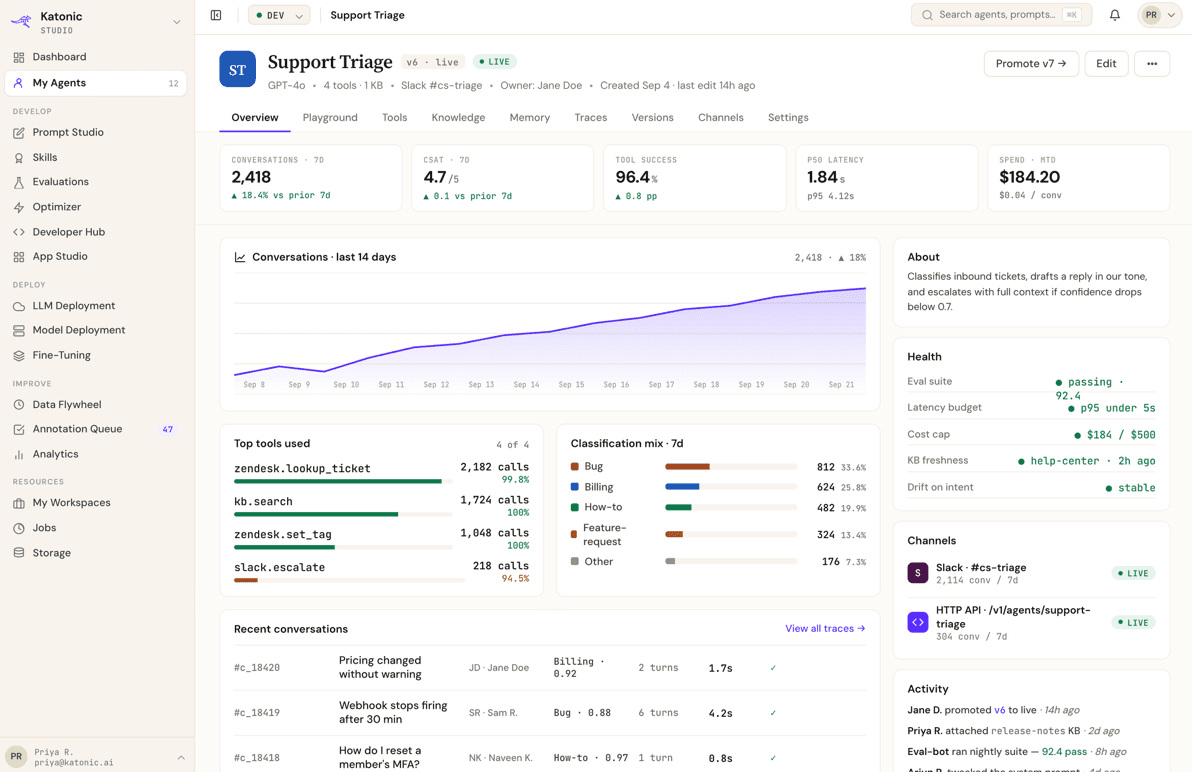
MLOps platform for building, deploying, monitoring and governing machine learning and generative AI in production, with an emphasis on security and responsible use.
Visit website →MLOps Platform

Capital works portfolio management software for owners and government, replacing spreadsheets for budget, cost and progress reporting across construction programs.
Visit website →Capital Works Software
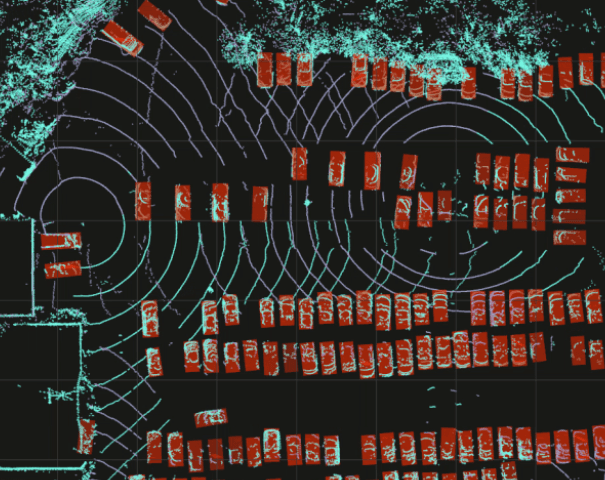
LiDAR-based 3D perception software for autonomous driving, smart cities and industrial automation, built to be hardware agnostic across sensor manufacturers.
Visit website →3D Perception

All-in-one hospitality platform powering POS, ordering, payments, procurement, loyalty and insights for more than 35,000 venues across Australia, New Zealand, Southeast Asia and the US.
Visit website →Hospitality Tech

Asia's leading marketplace to discover, buy and sell film, TV and sports content rights.
Visit website →Content Rights Marketplace

Platform creating and delivering curated experiences through a global network of in-house providers, built to help people use discretionary time more fully.
Visit website →Experience Platform

Agentic AI document-intelligence platform for digital banks, wallets and fintech lenders in emerging markets, automating onboarding, KYB/KYC, credit decisioning and fraud detection.
Visit website →Financial Document AI

Gaming media network giving players a single platform to share content, follow titles and connect, across console and PC.
Visit website →Gaming Media

Group gifting platform letting friends, colleagues and school communities pool money, sign a card and send one gift together.
Visit website →Group Gifting
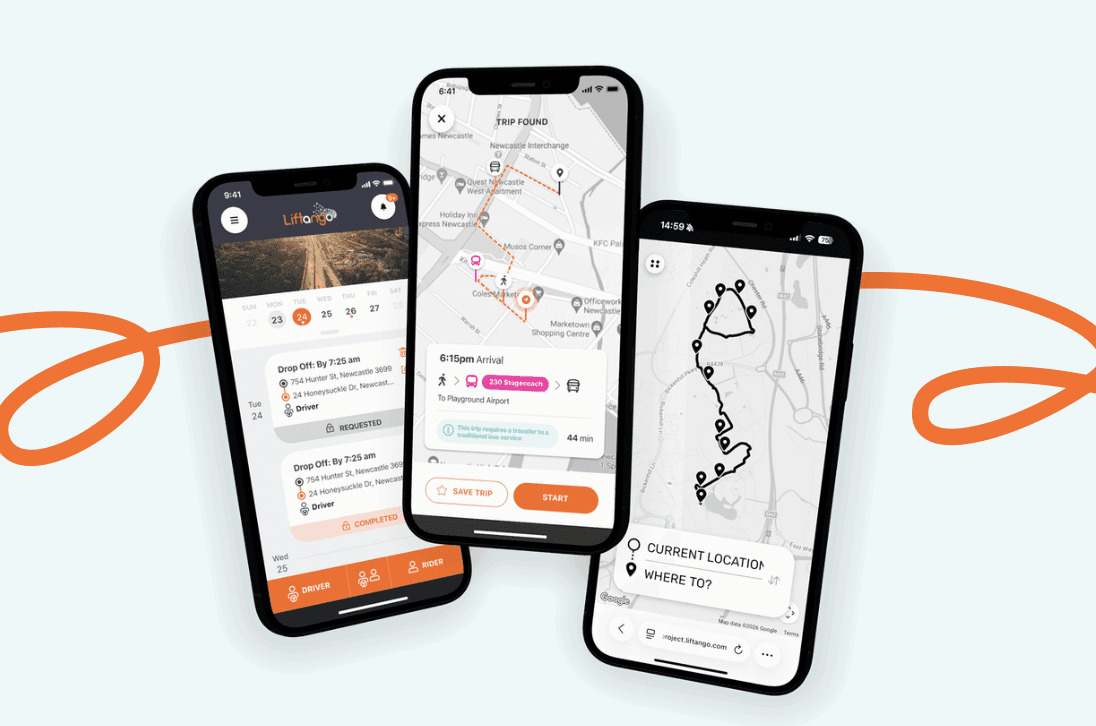
Shared transport platform running corporate carpooling and on-demand transit, easing parking pressure and offering an alternative to driving alone.
Visit website →Shared Mobility
Payments-as-a-service platform for banks and acquirers, enabling in-store and online acceptance plus value-added merchant services.
Visit website →Payments Infrastructure

Colour cosmetics and skincare brand, launching 2026.
Visit website →Beauty

App for saving, organising and cooking recipes collected from Instagram, TikTok, YouTube and Pinterest, turning scattered social content into a usable kitchen library.
Visit website →Consumer App

Dress hire grows your wardrobe with over 60,000 new, chic designer options. We help women get the perfect dress for every event on their calendar.
Visit website →Circular Fashion

White-label music streaming infrastructure for telcos, device makers and brands, delivering turnkey services and listener data.
Visit website →Music Technology
Venture capital produces two returns: financial and strategic. Traditional funds are built to optimise the first, and they do it well. They pool capital from many backers, so one mandate has to suit them all.
Artesian also invests for financial return, but many of our funds are built around a specific institution and what it wants to achieve.
For builders, that can mean more than capital. Our backers are strategic institutions: governments, corporations, industry bodies, superannuation funds and universities. They bring sector knowledge, networks, infrastructure, procurement pathways and potential customers. This can give a company access to an ecosystem that helps it test, commercialise and scale its technology.
The investment standard does not change. We back companies capable of becoming valuable, independent businesses, not projects designed to serve one backer.
Traditional VC brings capital and investment expertise. Artesian combines both with a mandate and ecosystem built around the market a builder is trying to change.
Link to this answerArtesian is sometimes described as an Australian seed-stage investor backing large numbers of startups through accelerators and incubators. That reflects part of our history, not our venture business today.
We invest from pre-seed through to later-stage growth, across Agrifood, Energy, Health, Defence, AI and Frontier. We invest directly, including in companies developing hardware or complex technologies with long commercialisation pathways. Builders do not need an accelerator affiliation or a warm introduction to approach us. Investment size, stage and geographic focus depend on the fund or mandate, so companies can contact us once and we will direct them to the right team.
Another misconception is that Artesian operates like a conventional VC manager, raising pooled funds with a single predetermined strategy. We do manage pooled funds, but much of our venture activity runs through dedicated mandates for individual institutional backers. Through Venture Capital as a Service (VCaaS), we design, capitalise and manage venture funds for governments, corporates, universities, industry bodies and other institutions, acting as investment manager and aligning each fund to its backer's financial and strategic objectives.
Each fund or mandate has its own investment strategy. What stays constant is the venture expertise, infrastructure and disciplined execution Artesian brings to all of them.
Link to this answerA "not venture-backable" verdict sometimes means exactly that. Sometimes it means “not right for that fund”, and those are different problems.
VC has become more flexible. Funds can sell shares through secondary transactions, and an acquisition can return capital well before an IPO. But neither route removes the pressure of a fixed fund life. A secondary buyer may not appear when needed, and a strategic acquisition cannot be assumed. Many funds still favour companies that can scale quickly with relatively little capital.
That can work against hardware, deep tech and regulated businesses with long development cycles, even when the opportunity is real.
Artesian builds funds with institutions that understand these markets and can take a longer view. They may also bring customers, infrastructure, procurement pathways and industry relationships that help a company commercialise and make a strategic exit more credible.
Patient capital does not mean a lower standard. We still need a strong team, a large market, defensible technology, evidence of execution and an outcome that justifies the time and capital required.
We do not lower the bar. We judge the opportunity against what it actually needs.
Link to this answerArtesian invests across six broad themes. Each mandate is more specific, shaped by the backer's objectives, capabilities, geography and risk appetite.
The common thread is not sector alone. It is alignment between companies solving consequential problems and institutions that understand those problems, can support commercialisation and benefit as the market develops. That creates strategic demand around the capital without weakening financial discipline.
Link to this answerArtesian's filter is whether a technology is transformative and critical to the problem a backer needs solved, not its category. Sometimes that is software. Often it is hardware, biology or the physical systems software runs on.
We can hold the slow, capital-intensive kind, and we can go earlier than a generalist fund is comfortable going. A pooled fund with a ten year life has to close whatever stage the science is at, and without deep domain expertise it tends to underwrite technical risk by proxy, through traction, team pedigree and comparable raises. Our backers are often the actual domain experts: the government's own technical advisers, the industry body's own engineers, the research institute's own reviewers. That lets us properly diligence science a generalist fund would either pass on or misprice.
Capital is staged around technical and commercial milestones, from prototype to pilot to first commercial deployment, rather than sized to a growth curve that does not apply. Where non-dilutive capital exists, whether grants, government contracts or procurement programmes, we structure around it rather than equity-funding the whole development path, because the cheque shape should match what retiring the risk actually costs.
A government building sovereign capability needs satellites, materials and manufacturing. An industry body renewing its sector needs machinery, sensors and biology. A research institute needs its lab science commercialised.
Physical technology gains more from an industry-aligned backer than pure software does. A sensor, a device or a biological product needs a trial site, a regulatory pathway and a first buyer, and that is exactly what an industry-aligned backer can open.
Link to this answerThere is no single Artesian entry stage. Each fund is designed for a particular risk profile, so our first investment in a company may be at pre-seed, seed, Series A or later. Across more than 600 portfolio companies, many were first backed early, but we also initiate positions in later rounds where the mandate calls for greater technical or commercial maturity.
Round labels are weak proxies, particularly in deep tech. A pre-revenue Series A may have retired substantial scientific, regulatory or manufacturing risk, while a revenue-generating seed company may still face significant product and market risk. We assess what has been proven, what remains uncertain and what the next capital will achieve.
Revenue is therefore evidence, not a gate. In life sciences, we may invest before a drug has been cleared to begin human trials. In hardware, we may invest before a customer has committed to using the technology in their own product. In other deep tech, we may invest before a real-world pilot has run. What matters in each case is whether the technical proof, the team and the financing plan are credible.
At any stage, we need a defensible technology, a defined value inflection and a credible path to a market large enough to support venture returns.
Link to this answerWe invest through mandates, not around office locations. Each fund has an agreed geographic scope shaped by what its backer is trying to achieve.
For builders, the important distinction is between company location and outcome location. Some mandates require a company to be incorporated, headquartered or substantially operating within a defined market. A state-backed fund, for example, may be designed specifically to build local companies. Other mandates care less about where a company begins than where the strategic benefit is created: they may invest in a business headquartered elsewhere if it establishes manufacturing, employment, research, supply-chain capability or a meaningful commercial presence in the backer's region.
Separately, the funds themselves vary in reach. Some Artesian mandates are global by design and draw on our nine offices across the Americas, Europe and Asia Pacific; others remain deliberately narrow because developing a particular region or sovereign capability is part of their purpose. Much of our capital remains concentrated in Australia and New Zealand, where Artesian began, but our mandate base is becoming increasingly global.
Builders should ask about geographic eligibility early. The relevant question is not simply where your company is based, but what presence, capability or economic value the mandate requires you to build.
Link to this answerThe best pitch explains why your company belongs with Artesian, not merely why it is venture-backable. Read our answers on sector, stage, revenue and geography first. They show which mandate you may fit and what it was built to achieve.
Lead with the standalone investment case: the problem, your solution, its defensibility, the market, your evidence and what the next capital will prove. Then identify the relevant Artesian sector and explain why that mandate is the right one.
Show what the institution behind the capital understands, needs or can unlock for your company. This might be technical expertise, infrastructure, regulation, procurement, industry access or a first commercial environment. Be specific. “Government is a customer” is not a strategy.
Strategic relevance strengthens an investment case; it does not replace one. We still need an independent company capable of venture-scale returns.
A warm introduction carries useful judgement, but it is not required. Cold submissions go directly to the venture team and are assessed on the same basis. Make either route recognisably for Artesian.
Every submission is read, but we cannot reply individually to each one. If there is a credible mandate fit, you will hear from us. The first conversation needs no elaborate deck and should be led by the people building the company.
Pitch Artesian→Link to this answerRecognising quality and allocating capital are different problems. There is no single ranked queue competing for one pool of money. The venture team maps your company against our live mandates: sector, geography, stage, cheque size and risk profile. An exceptional company still needs a mandate able to invest in it.
For the submissions we follow up on, the first step is a 30-minute conversation. From that point we close the loop with one of three outcomes: no, with the principal reason; not yet, with the milestone or evidence that would change the answer; or progression to diligence.
Diligence is led by a named investment professional who remains accountable throughout. Its depth reflects the company's stage and risks, but may cover the market, technology, team, commercial model, financials, legal matters, ESG and mandate fit. Specialists are involved where required.
The deal lead then prepares a written recommendation for the relevant Investment Committee, which makes the investment decision.
Link to this answerFour things: the problem and who feels it acutely enough to act; why now, including what has changed in technology, regulation or market structure; why your team has a distinctive right to win; and what the next twelve months of capital will prove.
We are not looking for a polished retelling of the deck. We want to understand how you think about the business: which claims are supported by evidence, which are reasoned judgements and which remain assumptions. Knowing what you have not yet proved, and how you intend to prove it, is more useful than filling every gap with certainty.
We will also test whether the round is built around a genuine value inflection. “More growth” is rarely enough. We want to know what becomes technically, commercially or financially possible if the plan succeeds, and how that changes the company's risk.
The first conversation is usually thirty minutes with one or two members of the venture team. It is not full diligence, so you do not need to defend every technical assumption. Specialists join later where the opportunity and mandate fit justify deeper work.
Link to this answerThe relevant fund's Investment Committee makes the decision, not the individual who sourced the opportunity or led the diligence.
Artesian runs the process end to end: assessment, diligence, the investment paper and the recommendation. Each mandate has its own Investment Committee and governance framework.
Where a fund has a single institutional backer, that institution participates directly in the Committee and is usually engaged during diligence. Its authority varies by mandate, from Committee participation to reserved approval rights over specified decisions. Those rights are agreed when the fund is established, not negotiated transaction by transaction.
The investment case remains Artesian's responsibility. Our deal team must establish the financial case, test the risks and recommend the investment before it reaches the Committee. Institutional involvement complements that work with strategic and domain judgement; it does not replace it.
Before diligence begins, we will tell you which mandate is considering your company and the institution behind it. Its involvement does not guarantee procurement, partnership or acquisition, but it means a strategically relevant institution is engaged from the outset.
Link to this answerWe may back companies in adjacent markets, but within a single mandate we do not knowingly invest in direct competitors.
The distinction matters. Two companies may operate in soil analytics, for example, while serving different customers, geographies or use cases. Shared sector language does not necessarily mean commercial competition. We assess overlap based on where revenue is actually expected to come from, not the category attached to the company.
If the mandate considering you already holds a direct competitor, we will disclose that before any substantive discussion and will not seek confidential information before establishing whether we can proceed.
Across separate mandates, genuine overlap can occasionally arise. When it does, we use separate deal leads, information barriers, recusals and independent board representation. Confidential information remains with the team responsible for your company; it does not circulate through Artesian because another portfolio company operates nearby.
Conflict assessment also continues after investment. Companies pivot, markets converge and relationships that were complementary can become competitive. We review potential conflicts when considering follow-ons, board matters and new investments. If a material conflict emerges, we disclose it and manage it under our documented conflicts and allocation policy. You should hear it from us, not through a competitor's announcement.
Link to this answerNot for a pitch submission, first conversation or initial assessment. At that stage, you should assume the discussion is non-confidential and avoid sharing trade secrets or other information that cannot yet be disclosed safely.
We assess many companies in adjacent markets. An NDA signed before we understand the company or its mandate fit can create uncertainty around information we already know, receive independently or may later encounter through another opportunity. It can also restrict legitimate market assessment. That is why institutional investors rarely sign one before deciding to enter diligence.
This matters most at the earliest stage, where a company's real asset is usually the team and the pace of execution, not yet a protectable idea, and where the cost of managing NDAs with every fund you talk to is highest relative to what they would actually protect.
We still handle initial materials carefully. Access is limited to the relevant team and governed by our internal information controls. But we prefer to be precise: without an NDA, that treatment is not a contractual confidentiality obligation.
Once we begin formal diligence, we can enter an appropriate confidentiality agreement covering the technical, financial, customer and commercial information required. We will also make clear which mandate is considering the investment, who may receive the information and how an institutional backer participates in the process.
If your core value depends on a trade secret, unpublished patent claim or similarly sensitive information, tell us without revealing it. We can assess the opportunity at a higher level first, then structure detailed disclosure once suitable protections are in place.
Link to this answerArtesian often leads rounds, and leading here means taking responsibility for one: negotiating the term sheet, directing diligence and committing an anchor cheque around which a syndicate can form. It does not simply mean writing the largest cheque into terms set by someone else.
We are willing to be the first committed investor and to help build the syndicate. We look for co-investors who add domain knowledge, commercial reach, follow-on capacity or another capability the company will need, not simply capital to complete the round.
The limit is consecutive insider-led pricing. If we lead an early priced round, we would not ordinarily set the valuation for the company's next priced round ourselves. That round should be tested and negotiated by an independent new investor. We may participate, but an external lead provides a more credible market price and avoids insiders validating their own mark.
A bridge or extension is different. Its purpose is usually to provide runway to a defined milestone, not establish a new independent valuation, so we assess and structure it accordingly.
If you want Artesian to lead, approach us early. We are most useful while the round, terms and syndicate are still being formed.
Link to this answerArtesian does invest in later rounds, but follow-on capital is earned rather than automatic.
Follow-on capacity is designed into our funds from the outset. Depending on the mandate, we typically reserve 50 to 60% of committed capital for later rounds. The portfolio starts relatively broad while risk is difficult to distinguish, then becomes more concentrated as companies produce stronger technical, commercial and financial evidence. Each follow-on remains a new investment decision. Reserves are not allocated to companies in advance or deployed simply to maintain ownership.
The fund itself is only one source of later capital. Our co-investment relationships can bring institutional and strategic investors directly into larger rounds, particularly where capital requirements exceed the sensible capacity of an early-stage fund. Artesian may also establish later-stage vehicles that make separate, concentrated investments in the strongest companies across the platform. Neither source is guaranteed, but both extend the capital network beyond the original mandate.
A single fund will still limit its exposure to any one company, generally to 10 to 15% of the fund depending on its mandate and portfolio construction. Beyond that point, our role shifts from supplying most of the capital to helping the company attract the right external investors.
The practical answer is yes, but each round must be justified by the evidence available then.
Link to this answerWe consider how value could ultimately be realised from the beginning, without pretending to predict the buyer or building the company for a single transaction.
There are three main routes. A trade sale is the most common, usually to a strategic acquirer that values the company's technology, market position or capability. A secondary sale can give builders and early investors partial liquidity, or bring in later-stage capital without selling the business. A listing suits fewer companies and requires sufficient scale, governance, predictability and public-market demand.
The likely route depends on sector and geography. A medical device company, agrifood platform and defence business will have different buyers, regulatory constraints and capital markets. Most venture funds see one market almost exclusively, usually the United States, which means their companies end up sold to American buyers by default rather than by choice. Our reach is wider by construction: New York and Austin connect to US late-stage capital and acquirers, London covers the UK and Europe, and Singapore and Shanghai cover Asia. That lets the exit path follow the company rather than the fund's home market.
An institutional backer may contribute sector knowledge, buyer relationships and strategic context. It may also become a potential acquirer. That does not give it a privileged exit or automatic right to buy. Any related-party proposal is managed through recusals, and priced by an independent valuation, a credible market test or both.
Ultimately, the company's board and shareholders assess any transaction under their own duties and rights. Strategic fit cannot substitute for fair value and a proper process.
Link to this answerTwo potential advantages: access to institutions that shape your market, and capital whose priorities are not determined solely by the venture cycle.
Many Artesian funds are anchored by governments, corporations, universities or industry bodies already operating in the sector. They may bring technical expertise, infrastructure, trial environments, regulatory context, procurement pathways and relationships with customers or strategic partners. Several have piloted with, procured from or acquired portfolio companies.
That does not make the backer a guaranteed customer. Builders must still meet commercial, technical and procurement standards. The advantage is a shorter path to the people, operating environments and evidence needed to prove the product in the real market.
The capital base is also different. Government programmes, corporate balance sheets and industry levies are driven by different budgets, priorities and time horizons. They are not immune to economic pressure, leadership changes or shifting strategy, but they do not necessarily contract at the same time or for the same reasons as conventional venture fundraising.
That can make the platform more resilient when venture markets tighten. It does not make follow-on funding automatic. Each round must still earn support through evidence, and every mandate retains its own limits, governance and investment period.
Link to this answer